
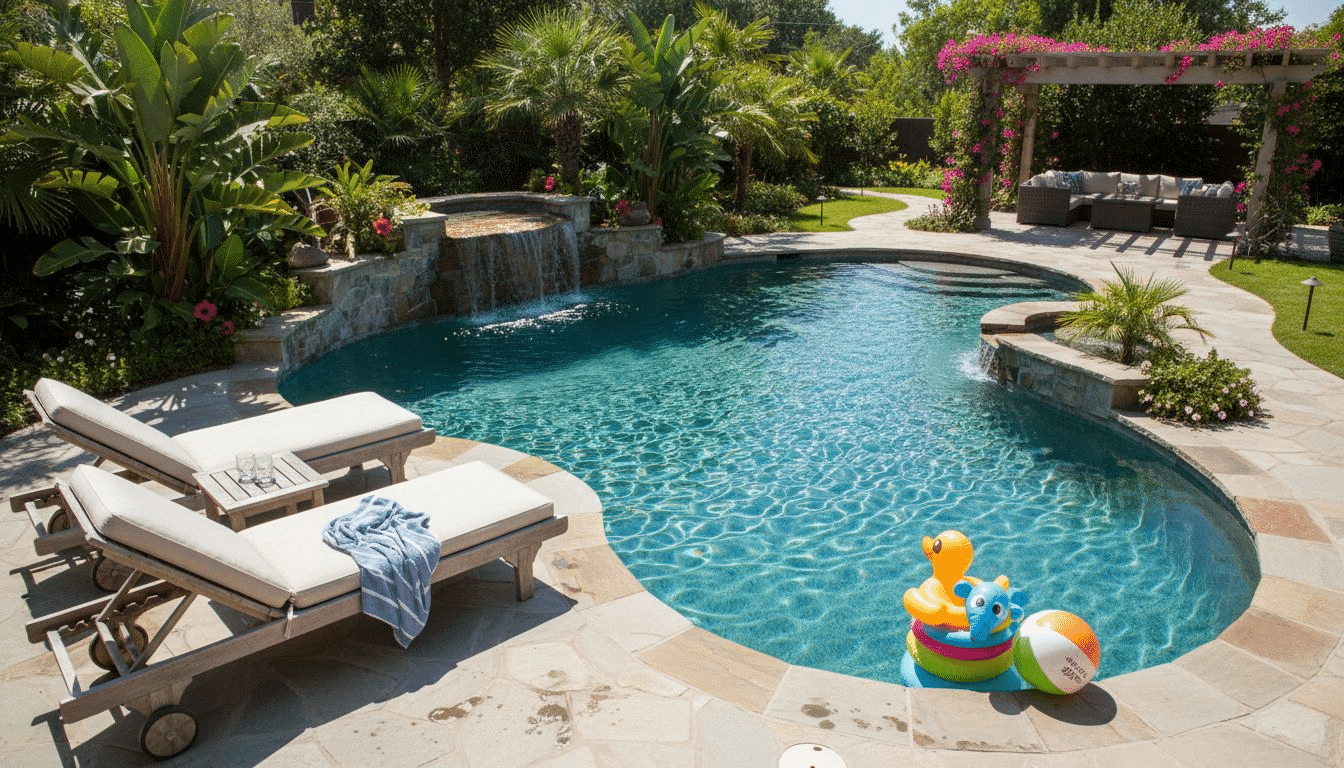
Designing a luxury custom pool in Montgomery County, Texas brings both excitement and real challenges. Every detail, from soil and sunlight to traffic patterns, impacts how your backyard transforms into a resort-style retreat. Comprehensive site assessment is the foundation for creating a pool landscape that thrives in Texas climate while reflecting your family’s needs. Discover how strategic planning and Earth-Kind® Landscaping techniques can shape a stunning, sustainable outdoor living space.
Table of Contents
- Step 1: Assess Your Pool Area and Set Priorities
- Step 2: Design a Cohesive Landscape Plan
- Step 3: Select Plants and Materials for Texas Climate
- Step 4: Install Hardscape and Greenery with Precision
- Step 5: Verify Safety and Enhance Curb Appeal
Quick Summary
| Key Insight | Explanation |
|---|---|
| 1. Conduct a Detailed Site Assessment | Analyze soil, sunlight, and existing features to inform design decisions for your pool area. |
| 2. Develop a Cohesive Landscape Plan | Create a unified design that harmonizes pool aesthetics with functional outdoor living spaces. |
| 3. Select Climate-Appropriate Plants | Choose drought-tolerant native plants that thrive in Texas to ensure sustainability and low maintenance. |
| 4. Install Elements with Precision | Implement hardscape and greenery carefully for a polished, durable finish that enhances your pool area. |
| 5. Prioritize Safety and Visual Appeal | Ensure compliance with safety regulations while focusing on aesthetic elements for a beautiful pool landscape. |
Step 1: Assess Your Pool Area and Set Priorities
Luxury pool landscaping starts with a comprehensive evaluation of your existing outdoor space. The goal is to transform your backyard into a resort-style retreat that reflects your personal style and functional needs. Landscape design frameworks provide crucial guidance for making strategic decisions about your pool area.
Begin by conducting a thorough site assessment that examines critical factors unique to your Texas landscape. Your evaluation should focus on several key elements:
- Soil composition and drainage characteristics
- Available sunlight throughout different times of day
- Natural terrain and existing landscape features
- Current usability and traffic patterns in your outdoor space
- Potential environmental constraints
The Texas A&M AgriLife Extension Service recommends using Earth-Kind® Landscaping techniques to create sustainable designs tailored to local climate conditions. This approach helps you prioritize landscaping elements that will thrive in your specific environment while minimizing maintenance requirements.
Prioritize your pool area design by ranking your goals based on personal preferences and practical considerations. Consider factors such as:
- Entertainment potential
- Family usage patterns
- Aesthetic preferences
- Maintenance capabilities
- Budget constraints
Successful pool landscaping balances visual appeal with functional design, creating an outdoor space that feels both luxurious and livable.
Pro tip: Capture photographs and measurements of your current pool area before beginning any design process, which will serve as valuable reference points for planning and communication with landscape professionals.
Step 2: Design a Cohesive Landscape Plan
Creating a cohesive landscape plan transforms your pool area from a basic backyard into a stunning outdoor retreat. Landscape design principles provide a strategic framework for developing a unified and functional outdoor living space that complements your pool and personal aesthetic.
Start by developing a comprehensive design strategy that considers multiple critical elements:
- Site inventory and current landscape characteristics
- Functional space requirements
- Visual design flow and aesthetic harmony
- Climate and environmental considerations
- Water conservation and sustainability goals
The EPA WaterSense guide recommends thoughtful plant selection and placement to create interconnected landscape zones. This approach ensures your design not only looks beautiful but also functions efficiently and supports environmental stewardship.
Develop your landscape plan by following these key design principles:
- Create visual connections between pool and surrounding landscape
- Select plants and materials that complement each other
- Consider traffic patterns and usable spaces
- Balance hardscape and softscape elements
- Incorporate lighting and architectural features
A well-designed landscape plan integrates aesthetic beauty with functional living spaces, creating a seamless outdoor environment.
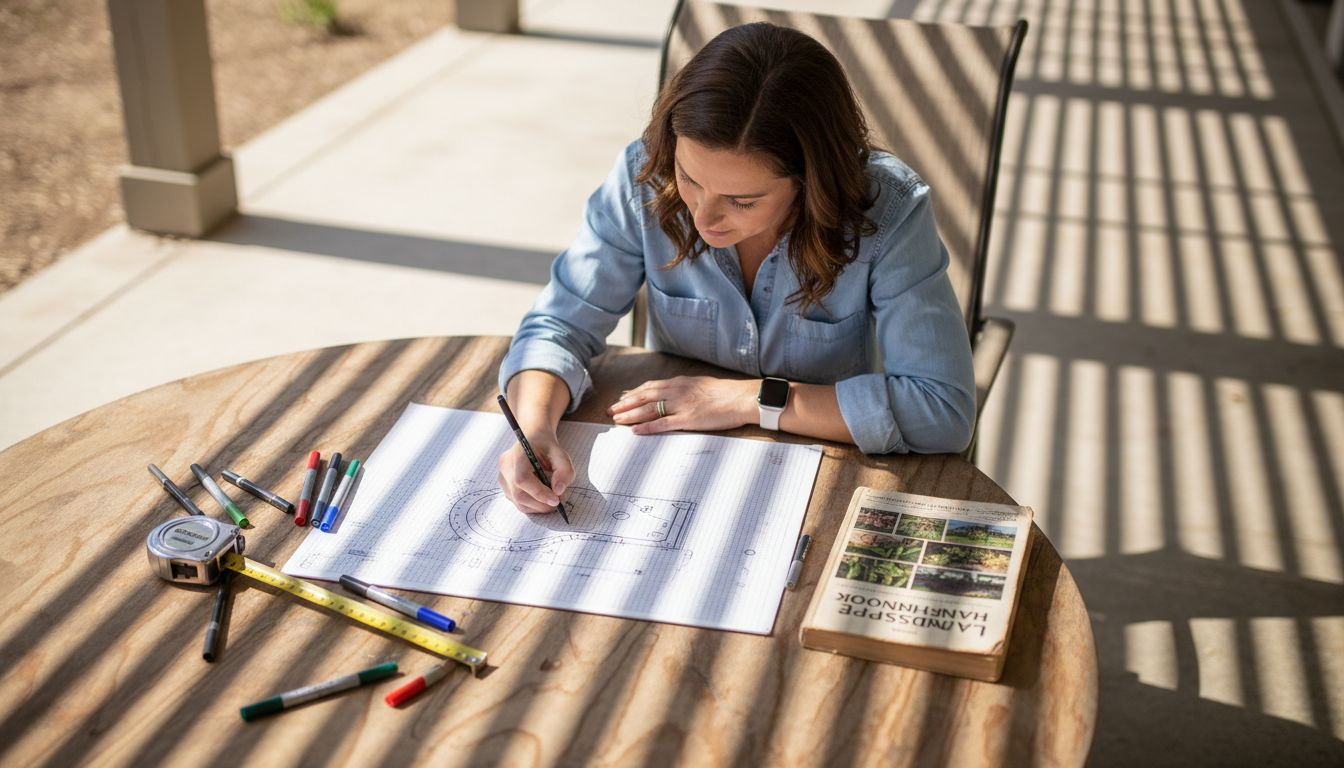
Pro tip: Sketch multiple design iterations and use color-coded planning tools to visualize how different landscape elements will interact before making final decisions.
Step 3: Select Plants and Materials for Texas Climate
Selecting the right plants and materials for your pool landscape requires a strategic approach tailored to Texas’s challenging climate. Native plant recommendations provide an excellent starting point for creating a sustainable and resilient outdoor environment that thrives in local conditions.
Focus on developing a plant palette that balances aesthetic appeal with practical considerations:
- Drought-tolerant native grasses
- Heat-resistant shrubs and perennials
- Low-maintenance ground covers
- Strategically placed shade trees
- Xeriscaping principles for water conservation
The Texas A&M Extension guidelines highlight specific grass varieties like bermudagrass and buffalograss that offer exceptional performance in Texas landscapes. When selecting materials, prioritize:
Here is a comparison of popular Texas poolside plants and their landscaping benefits:
| Plant Name | Key Benefits | Ideal Placement |
|---|---|---|
| Bermudagrass | Drought tolerant, low upkeep | Sunny open areas |
| Buffalograss | Heat resilient, dense growth | Edges and borders |
| Texas Sage | Attracts pollinators, evergreen | Around patio and fencing |
| Red Yucca | Minimal water, bold color | Accent points, poolside |
| Cedar Elm | Provides shade, native tree | North or west perimeters |
- Native plant species
- Materials with high heat and drought resistance
- Low water consumption options
- Plants supporting local wildlife
- Minimal maintenance requirements
Successful pool landscaping in Texas requires a thoughtful balance between beauty, sustainability, and environmental adaptation.
Pro tip: Consult local nursery experts or landscape professionals who understand the specific microclimates within your Texas region to refine your plant selection strategy.
Step 4: Install Hardscape and Greenery with Precision
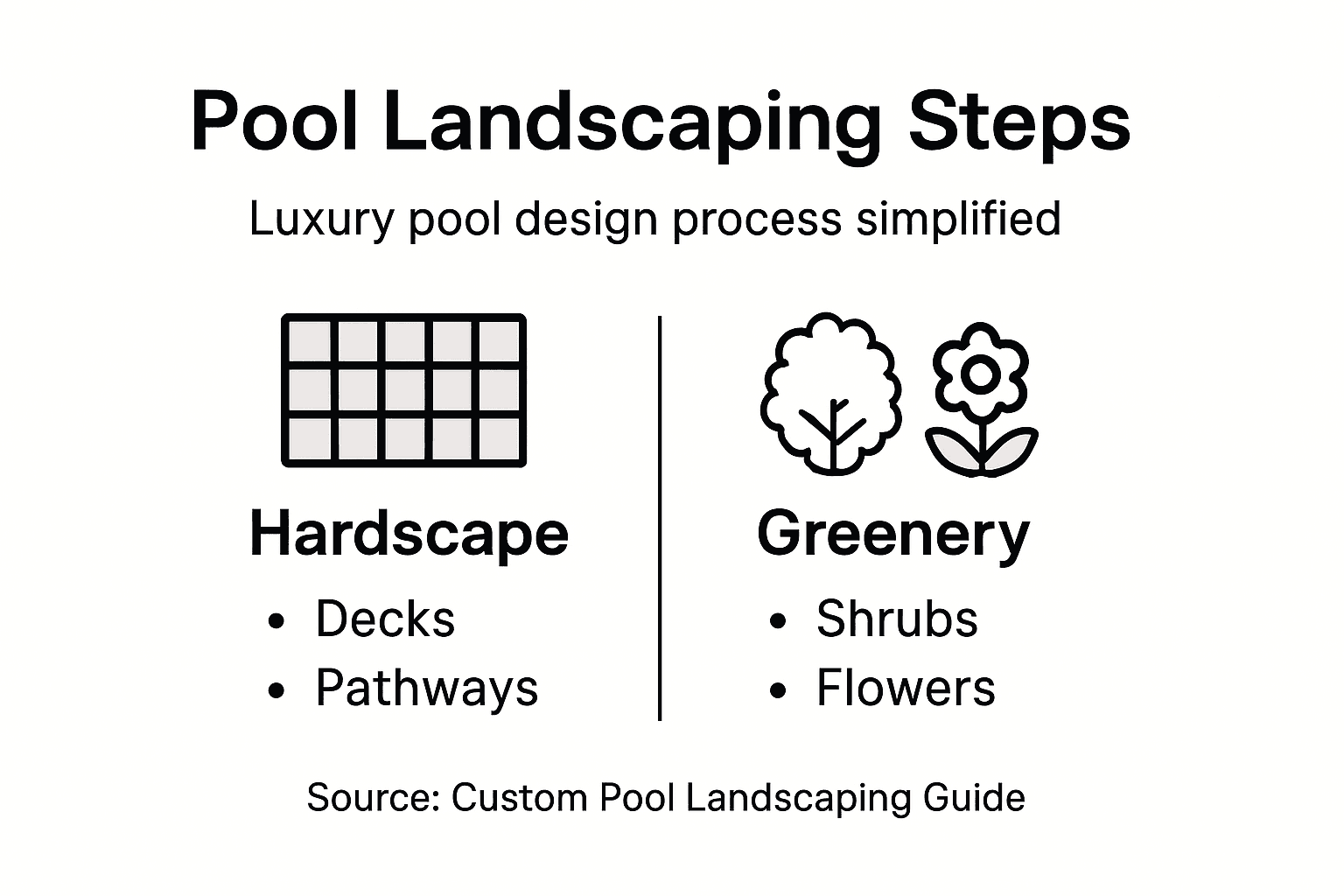
Installing hardscape and greenery demands meticulous planning and execution to create a seamless pool landscape that balances functionality with aesthetic appeal. Hardscape installation techniques provide critical insights into selecting and implementing materials that withstand Texas’s challenging environmental conditions.
Focus on these key elements during your installation process:
- Material selection for durability
- Proper soil preparation
- Precise grading and drainage
- Strategic plant placement
- Integrated irrigation systems
The EPA WaterSense landscaping guidelines emphasize the importance of thoughtful installation to ensure long-term landscape performance. When implementing your design, consider these critical steps:
- Prepare the ground with proper grading
- Install hardscape elements first
- Implement underground irrigation
- Plant vegetation strategically
- Add final decorative elements
Precision in hardscape and greenery installation transforms an ordinary pool area into a luxurious outdoor living space.
Pro tip: Take detailed measurements and create a comprehensive installation plan before beginning work, allowing for minor adjustments and ensuring a cohesive final result.
Step 5: Verify Safety and Enhance Curb Appeal
Transforming your pool landscape requires a strategic approach that balances rigorous safety standards with stunning visual design. Pool safety regulations provide critical guidance for creating an outdoor space that protects your family while maximizing aesthetic potential.
Addressing safety and visual appeal involves multiple key considerations:
- Barrier and fencing requirements
- Proper pool perimeter design
- Strategic lighting installation
- Compliant safety features
- Visual harmony with surrounding landscape
The University of Oregon’s curb appeal recommendations suggest focusing on comprehensive exterior improvements that elevate both safety and visual impact. When verifying your pool area, prioritize these critical elements:
- Inspect barrier height and construction
- Evaluate landscape lighting
- Check surface texture and slip resistance
- Review drainage and water flow
- Assess visual symmetry and design cohesion
Safety and beauty are not competing goals but complementary aspects of exceptional pool landscape design.
Pro tip: Consult local building inspectors or professional landscape designers to ensure your pool area meets all safety codes while achieving a luxurious aesthetic.
The following table summarizes critical design steps and their impact on pool landscaping success:
| Design Step | Primary Outcome | Long-Term Benefit |
|---|---|---|
| Site Assessment | Matches design to environment | Reduces future problems |
| Cohesive Plan | Harmonious, unified look | Increases property value |
| Native Plant Selection | Sustainable, attractive yard | Lowers maintenance costs |
| Precise Installation | Durable, polished finish | Longevity and easy upkeep |
| Safety and Curb Appeal Checks | Safe and stylish space | Peace of mind, resale value |
Elevate Your Texas Pool Landscape with Expert Custom Solutions
Transforming your pool area into a luxurious, sustainable outdoor retreat requires more than just good ideas. The challenges highlighted in the guide—such as assessing your site accurately, designing cohesive plans, selecting native plants suited for Texas climates, and ensuring safety—all demand expert craftsmanship and local knowledge. At Bliss Pools, we understand these essential steps deeply and specialize in delivering custom pool construction and complementary outdoor amenities that seamlessly blend beauty, function, and safety.
Our team has over 15 years of experience creating bespoke poolscapes in Montgomery County and the surrounding Texas areas. Whether you want to incorporate elegant pergolas, fire pits, or outdoor kitchens alongside your pool, we tailor every detail to your lifestyle and environment. Ready to bring your dream backyard to life with precision and care? Discover the difference of working with passionate professionals committed to quality and personalization.
Explore how Bliss Pools can help you realize your luxury pool landscaping vision today. Visit our main site at Bliss Pools and start with a free estimate. Don’t wait—turn your backyard into the elegant, safe, and vibrant resort-style space you deserve now by contacting our expert team.
Frequently Asked Questions
How do I assess my pool area for landscaping?
To assess your pool area effectively, evaluate soil composition, drainage characteristics, and current landscape features. Measure and photograph your outdoor space, focusing on usability patterns and environmental constraints to identify the strengths and weaknesses of your existing design.
What should my priorities be when designing a custom pool landscape?
Prioritize your design goals based on entertainment potential, family usage, aesthetic preferences, maintenance capabilities, and budget constraints. Rank these factors to create a functional and visually appealing space that meets your specific lifestyle needs.
How do I choose the right plants for my Texas pool landscape?
Select plants that are native, drought-tolerant, and suited for the Texas climate to ensure sustainability and easy maintenance. Create a balanced plant palette that includes heat-resistant shrubs and ground covers, and consult local experts for tailored recommendations.
What are the key steps in installing hardscape and greenery?
First, prepare the ground by grading and setting up drainage systems. Then, install hardscape elements before planting vegetation, ensuring that plant placement aligns with your design and integrates well with existing features for a cohesive look.
How can I enhance the safety and curb appeal of my pool landscape?
Focus on compliance with pool safety regulations by installing proper barriers and lighting. Regularly inspect these elements to ensure both safety and visual harmony, which can elevate the overall aesthetic of your outdoor space, increasing its appeal and value.
What design principles should I follow for a cohesive landscape plan?
When creating a landscape plan, consider visual connections, traffic patterns, and the balance between hardscape and softscape elements. Utilize color-coded sketches to visualize interactions between different components and create an inviting, unified outdoor living area.