
Fading plaster, stubborn algae, or water levels dropping faster than usual can turn pool ownership in Montgomery County into a costly hassle. Maintaining a gunite pool means more than keeping it blue and inviting—it calls for protecting its structure with a fresh, durable plaster finish. Pool replastering preserves the waterproof barrier, improves appearance, and helps prevent surface degradation, water loss, and expensive repairs. If keeping your backyard oasis safe and stunning matters, expert guidance on the replastering process is the key to maximizing your investment.
Table of Contents
- Pool Replastering Defined For Homeowners
- Popular Types Of Pool Plaster Finishes
- How The Pool Replastering Process Works
- When And Why Replastering Is Needed
- Cost, Longevity, And Key Maintenance Tips
Key Takeaways
| Point | Details |
|---|---|
| Replastering Importance | Replastering is essential for maintaining a pool’s structural integrity and appearance, usually needed every 7-10 years. Ignoring signs of deterioration can lead to costly long-term damage. |
| Types of Finishes | Choose from smooth, quartz-enhanced, or pebble finishes based on budget and maintenance preferences, with costs ranging significantly. Each type offers different aesthetics and longevity. |
| Maintenance Practices | Regular maintenance of water chemistry and surface cleaning is crucial to extend the lifespan of your pool plaster. Monthly inspections can catch damage early, preventing expensive repairs. |
| Timing for Replastering | The best time for replastering is during the fall or early winter, ensuring better contractor availability and optimal curing conditions. |
Pool Replastering Defined for Homeowners
Pool replastering is the process of removing your pool’s aging, worn-out plaster surface and applying a fresh coat to restore its protective layer and appearance. If you own a gunite pool in Montgomery County, this likely matters to you. Your pool’s plaster isn’t just for looks—it’s a critical barrier that keeps water from seeping into the concrete shell beneath. Over time, exposure to Texas heat, sun, and chlorine causes plaster to crack, fade, and deteriorate. When that happens, your pool faces serious problems: water loss, structural damage, algae blooms, and skyrocketing maintenance costs. Replastering addresses all of this at once.
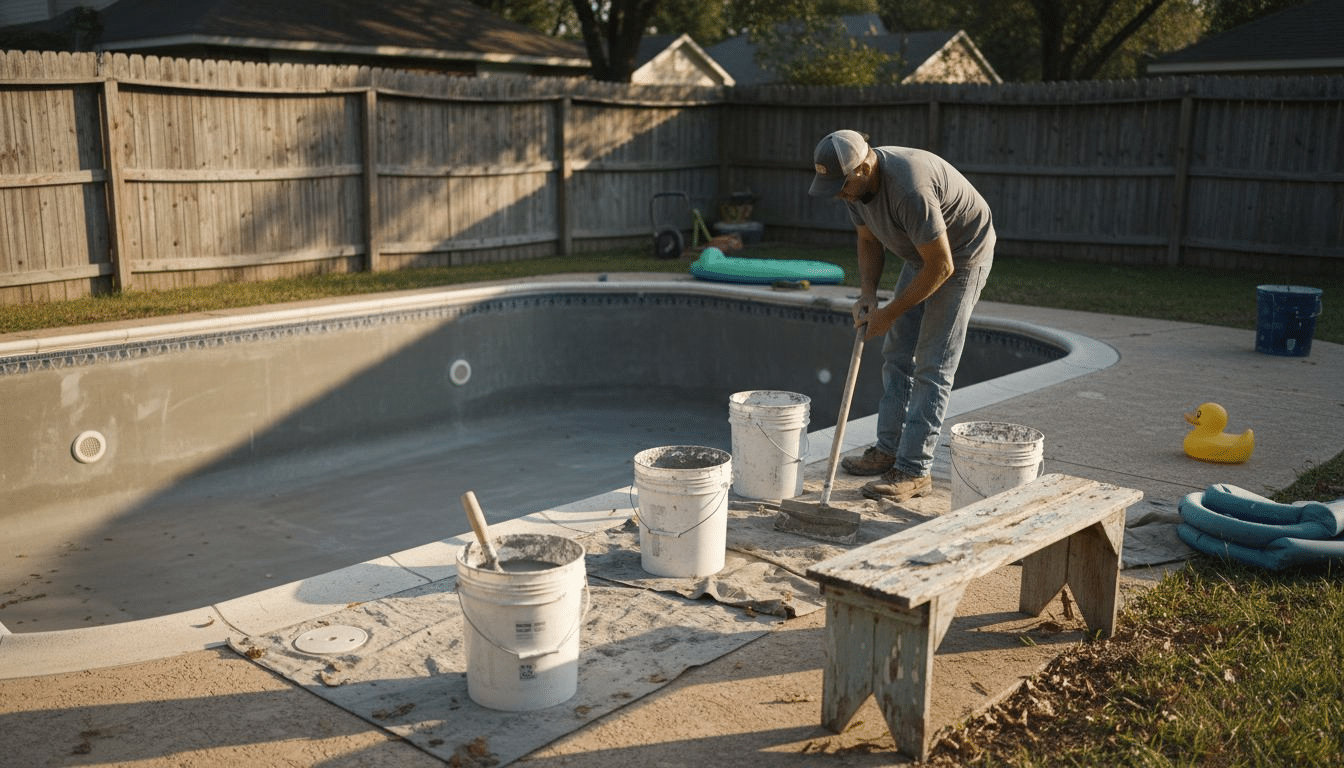
The replastering process follows a specific sequence. First, your pool gets drained completely. Next, technicians remove the deteriorated plaster by grinding or high-pressure washing the surface. Any underlying cracks or damage to the concrete gets repaired before moving forward. A bonding agent gets applied to help the new plaster adhere properly. Then comes the critical step: applying and carefully leveling a new plaster layer across your entire pool interior. This application requires precision and experience. The plaster must cure properly according to American National Standards for swimming pool plastering to ensure durability and waterproofing that meets safety requirements. Rushing this process or using inadequate materials leads to premature failure.
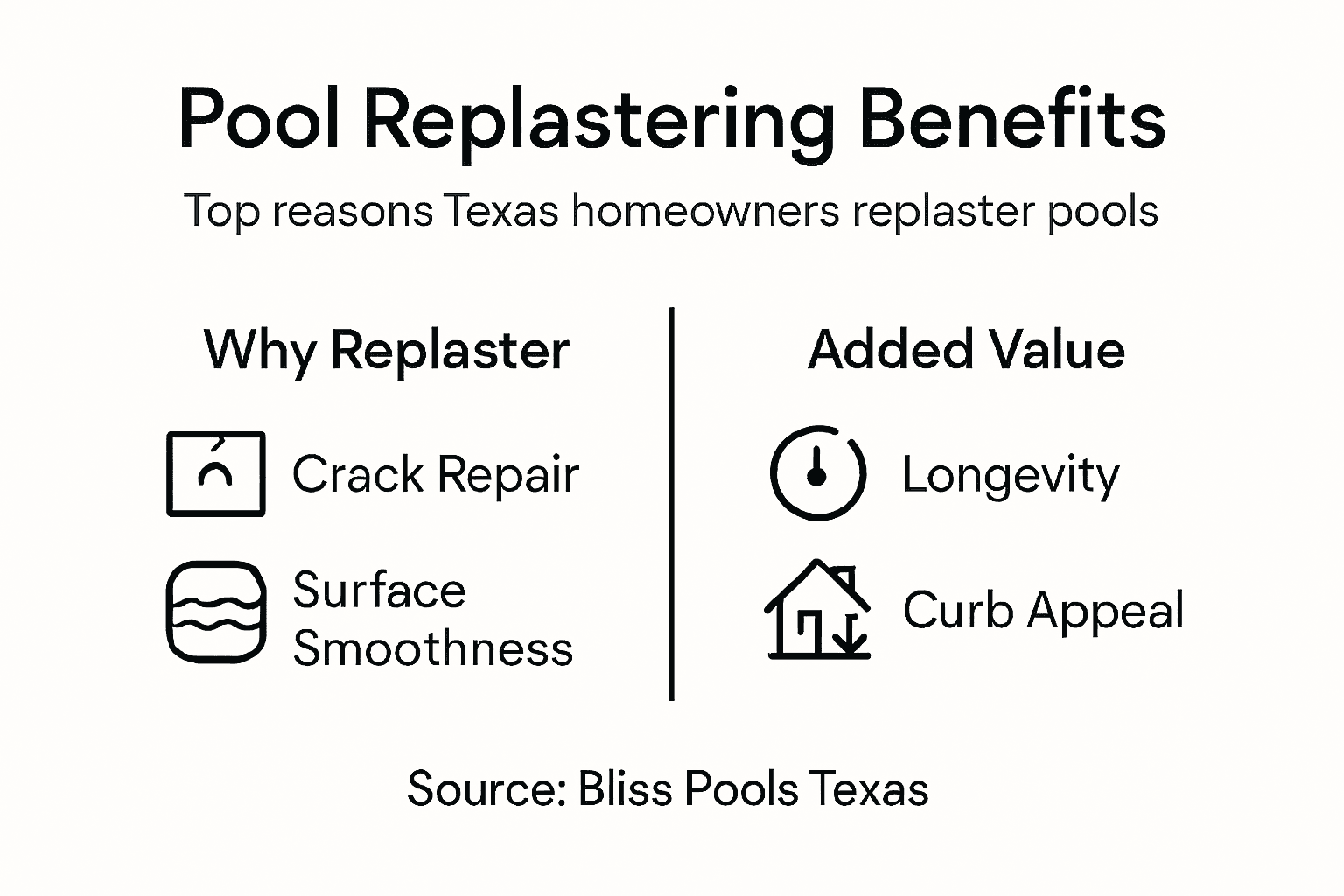
What makes replastering different from simple pool repair is its scope and longevity. You’re not just patching a problem area—you’re replacing the entire protective surface. This is why many Montgomery County homeowners treat replastering as a major renovation investment. A quality replastering job can extend your pool’s life by 10-15 years, restore its water-holding capacity, improve water chemistry stability, and make your pool look brand new again. Think of it like replacing your home’s roof rather than fixing a few shingles. Both address problems, but replastering transforms your entire pool system. When you notice persistent algae despite proper chemical treatment, visible cracks spreading across the floor, or water levels dropping faster than normal evaporation explains, replastering has likely become necessary.
Pro tip: Schedule your replastering assessment during fall or early winter, when pool contractors have better availability and weather conditions are more stable for the curing process.
Popular Types of Pool Plaster Finishes
When it comes time to replaster your pool, you have several finish options to choose from, and each one brings different aesthetics, durability, and maintenance requirements to your Montgomery County backyard. Your choice impacts not just how your pool looks, but how long it lasts and how much work you’ll put into upkeep. The finish you select becomes the face of your entire pool investment, so understanding what separates these options matters.
Standard smooth troweled plaster is the most traditional and affordable choice. It creates that classic bright white or light blue pool appearance that many Texas homeowners grew up with. This finish applies easily and provides a clean, uniform look that feels polished and refined. However, smooth plaster requires more frequent maintenance, stains more easily, and typically lasts 7 to 10 years before needing replacement. Many homeowners find themselves repainting or acid-washing smooth plaster every few years to keep algae and staining at bay. Quartz-enhanced plaster takes durability up several notches by mixing crushed quartz into the plaster mixture. This creates a harder, more stain-resistant surface that resists algae growth better than standard plaster. Quartz finishes come in numerous colors and subtle sparkle effects that add visual interest to your pool. You can expect 10 to 15 years of life from quality quartz plaster, making it a smart middle ground between cost and longevity.
Pebble finishes represent the premium option for serious pool investments. These finishes combine plaster with larger aggregate stones, creating a natural stone appearance that resembles river rocks or sea pebbles. The watertight surface protection that pebble finishes provide is excellent, and their durability often exceeds 15 to 20 years. Pebble finishes resist staining, feel more slip-resistant underfoot, and command respect in terms of aesthetics and longevity. The trade-off is cost—pebble finishes run significantly higher than smooth or quartz options. Another consideration is feel. Some homeowners find pebble finishes slightly rougher on bare feet during extended pool time, though most adapt quickly. Each finish type performs its job of protecting your pool structure, but your decision ultimately comes down to your budget, aesthetic preferences, and how much maintenance you’re willing to embrace over the years.
Pro tip: Ask your pool contractor to show you finish samples in full sunlight and under your specific backyard lighting conditions, since colors and textures can appear dramatically different depending on how light hits them at various times of day.
Here’s a side-by-side comparison of popular pool plaster finish options:
| Finish Type | Average Lifespan | Typical Cost Range | Unique Appearance Feature |
|---|---|---|---|
| Smooth Plaster | 7-10 years | Most affordable | Classic white or blue color |
| Quartz-Enhanced | 10-15 years | Moderate cost | Subtle sparkle, custom colors |
| Pebble Finish | 15-20+ years | Highest cost | Natural stone-like texture |
How the Pool Replastering Process Works
Pool replastering isn’t a quick weekend project. It’s a methodical process that requires precision, skill, and patience. Understanding what happens from start to finish helps you set realistic expectations and know why your contractor needs the time they’re asking for. The work divides into distinct phases, each one critical to the final result.
The process begins with draining your pool completely. This takes a day or two depending on your pool’s size and pump capacity. Once empty, your contractor assesses the condition of the underlying concrete shell, looking for structural damage, cracks, or areas where water has penetrated. Next comes surface preparation, which is arguably the most important step. All loose, flaking, or deteriorated plaster gets removed using grinding equipment or high-pressure washing. Any cracks in the concrete substrate get repaired and sealed. This prep work determines whether your new plaster will adhere properly and last as long as it should. Skipping corners here guarantees premature failure. A bonding agent gets applied to the prepared surface, which acts like adhesive, helping the new plaster stick permanently to the concrete. Then comes the application of fresh plaster. The material is carefully mixed to the right consistency and applied in layers, with each layer getting smoothed and leveled. The texture and finish depend on your chosen plaster type. The entire surface must be uniform, with no thin spots or uneven areas that could fail prematurely.
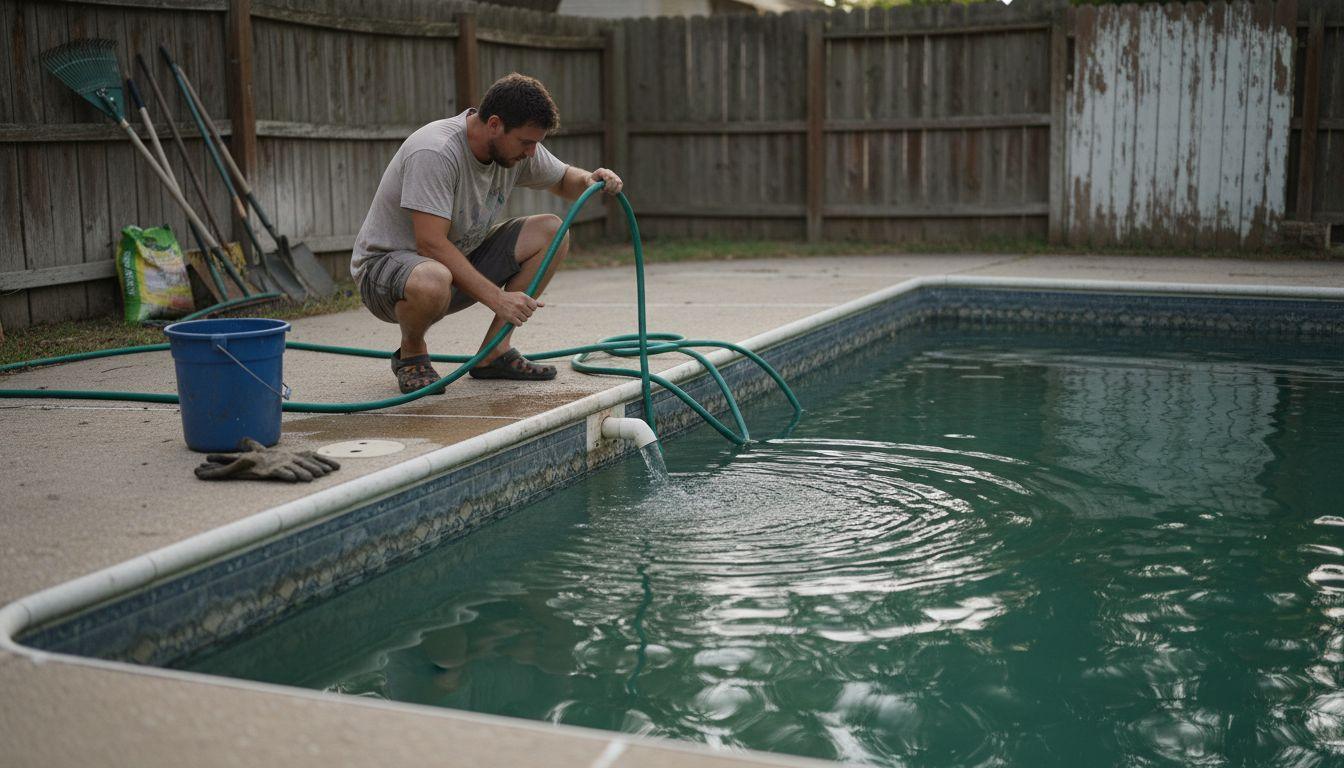
After application comes the critical curing phase, which typically takes several days to several weeks depending on weather conditions and the specific plaster used. During curing, the plaster chemically hardens and bonds with the substrate. Temperature and humidity matter greatly here. Texas heat accelerates curing in some ways but can also cause cracking if the plaster dries too fast. Your contractor manages water saturation carefully during this period. Once curing is complete and final inspections confirm quality and safety compliance, your pool gets refilled slowly. The refilling process itself requires care to prevent new plaster damage. Only after the pool is completely full and any minor adjustments are made can you resume normal swimming.
Pro tip: Plan your replastering during your pool’s off-season or when you can afford to have it down for two to three weeks total, including preparation, application, curing, and refilling time.
When and Why Replastering Is Needed
Your pool doesn’t wake you up one morning declaring it needs replastering. Instead, you notice subtle changes that gradually become impossible to ignore. Understanding the warning signs helps you catch problems before they spiral into expensive structural damage. Most gunite pools in Montgomery County need replastering every 7 to 10 years, though the timeline varies based on usage, maintenance, and your chosen finish type.
Start watching for visible surface deterioration. Cracks spreading across your pool floor or walls are the most obvious red flag. Small hairline cracks might seem harmless, but they’re gateways for water infiltration and algae growth. Rough or spalling plaster, where the surface flakes off in chunks, means your protective barrier is failing. Discoloration that won’t come clean despite proper brushing and chemical treatment suggests plaster has become porous and stained at a molecular level. You might notice small chips or gouges from pool toys, ladders, or equipment. Another telltale sign is persistent water loss beyond normal evaporation. If your water level drops noticeably between weeks despite normal conditions, plaster cracks are likely allowing water to seep into the concrete shell. This situation demands urgent attention because water-damaged concrete eventually crumbles from the inside out.
Beyond appearance, deteriorating plaster creates practical nightmares. Rough surfaces harbor bacteria and algae, making your pool harder to keep chemically balanced no matter how much chlorine you add. You find yourself cleaning more often and spending more on chemicals. A porous, failing plaster surface absorbs water and chemicals unevenly, creating hot spots where algae thrives. Safety becomes an issue too. Rough or spalling plaster cuts swimmers’ feet and damages pool equipment like pumps and filters more quickly. Most importantly, failing plaster puts your pool’s structural integrity at risk. Water penetrating through cracks causes concrete deterioration and long-term damage that eventually requires expensive concrete repair beyond simple replastering. Catching the problem early means choosing your finish type, colors, and timing on your schedule rather than being forced into emergency replastering when structural damage appears. A fresh plaster surface also supports your pool’s entire ecosystem, making maintenance easier and your swimming experience safer and more enjoyable.
Pro tip: Schedule a professional pool inspection every year during your routine maintenance, specifically asking your contractor to evaluate plaster condition and estimate when replastering will likely become necessary.
Cost, Longevity, and Key Maintenance Tips
Replastering your Montgomery County gunite pool represents a significant financial investment, but understanding the costs, expected lifespan, and maintenance requirements helps you make an informed decision and protect that investment long-term. Pool replastering costs vary widely based on three primary factors: pool size, your chosen plaster material, and labor complexity. A standard residential pool typically runs between $3,000 and $10,000, though larger pools or those with intricate shapes cost considerably more. Smooth plaster sits at the lower end of the price spectrum, while quartz-enhanced finishes run moderately higher, and premium pebble finishes can push costs toward the upper range. Labor requirements also fluctuate based on existing damage severity. A pool with extensive concrete repairs underneath needs more prep work and therefore higher labor costs. When comparing quotes from contractors, ask specifically what’s included in the estimate and what warranty covers the work itself.
Your plaster’s longevity depends heavily on the quality of materials chosen and how diligently you maintain the surface afterward. Standard smooth plaster typically lasts 7 to 10 years before needing replacement. Quartz-enhanced plaster extends that timeline to 10 to 15 years. Premium pebble finishes often surpass 15 to 20 years with proper care. These timeframes assume you’re following maintenance best practices. Neglect your maintenance routine, and even premium finishes deteriorate faster than expected. Conversely, exceptional maintenance can sometimes squeeze extra years from a plaster finish, though it won’t indefinitely extend its life. The investment in a better-quality finish upfront often pays dividends through reduced maintenance stress and fewer surprise repairs down the road.
Maintenance is where most homeowners either protect or undermine their replastering investment. Consistent water chemistry balancing stands as your first and most critical maintenance task. Test your water at least twice weekly, keeping pH between 7.2 and 7.6, alkalinity between 80 and 120 ppm, and chlorine at 1 to 3 ppm. Imbalanced chemistry corrodes plaster and accelerates surface degradation. Regular cleaning prevents algae and debris buildup that stains plaster and creates rough patches. Brush your pool walls and floor weekly. Skim debris daily. Avoid using harsh chemicals or pressure washers on fresh plaster during the first year. Inspect your pool monthly for new cracks, chips, or rough spots, addressing small problems immediately before they expand. Keep pool toys and equipment from resting directly on plaster surfaces, as weight and friction cause damage over time. These routines require consistency but demand minimal financial outlay beyond basic chemicals and cleaning supplies.
Pro tip: Document your plaster finish type and application date clearly, then set calendar reminders to test water chemistry twice weekly and inspect plaster condition monthly, creating habits that naturally protect your investment.
Use this quick reference for key pool replastering maintenance tasks:
| Maintenance Task | Recommended Frequency | Why It Matters |
|---|---|---|
| Test water chemistry | Twice weekly | Prevents corrosion and staining |
| Brush surfaces | Weekly | Removes algae and debris |
| Inspect for cracks/chips | Monthly | Catches early damage |
| Record finish date/type | Once after replastering | Helps track maintenance and lifespan |
Restore Your Pool’s Beauty and Strength with Expert Replastering from Bliss Pools
If your Montgomery County pool shows signs of cracking, discoloration, or persistent water loss you are facing common challenges that demand professional replastering. The article highlights how plaster deterioration risks not only your pool’s appearance but also structural integrity and maintenance costs. At Bliss Pools with over 15 years of experience serving the Texas area we specialize in custom pool solutions that bring your gunite pool back to life with durable plaster finishes tailored for long-term performance and beauty.
Don’t wait until small cracks become expensive repairs. Choose from smooth, quartz-enhanced, or premium pebble finishes that fit your budget and lifestyle. We understand the curing process and maintenance steps critical for lasting protection against Texas heat and chemical wear. Our experts ensure your replastering investment extends your pool’s life and enhances your outdoor living experience.

Ready to protect your pool and elevate your backyard oasis? Contact us at Bliss Pools today for a free estimate and personalized replastering plan. Discover how our custom pool construction and remodeling services can bring lasting quality and style to your home. Don’t delay your pool’s transformation – act now to enjoy years of worry-free swimming.
Explore our full range of services at Bliss Pools Official Site and take the first step toward restoring your pool’s strength and beauty.
Frequently Asked Questions
What is pool replastering?
Pool replastering is the process of removing the old, deteriorated plaster surface of a gunite pool and applying a new coat to restore its protective layer and appearance.
How often should I replaster my pool?
Most gunite pools need replastering every 7 to 10 years, depending on factors like usage, maintenance, and the type of plaster finish chosen.
What are the benefits of replastering a pool?
Replastering helps extend your pool’s lifespan, prevents water loss, improves water chemistry stability, and enhances the overall appearance of your pool, making it look brand new.
What types of plaster finishes are available for pools?
Common pool plaster finishes include smooth troweled plaster, quartz-enhanced plaster, and pebble finishes, each offering different aesthetics, durability, and maintenance requirements.