
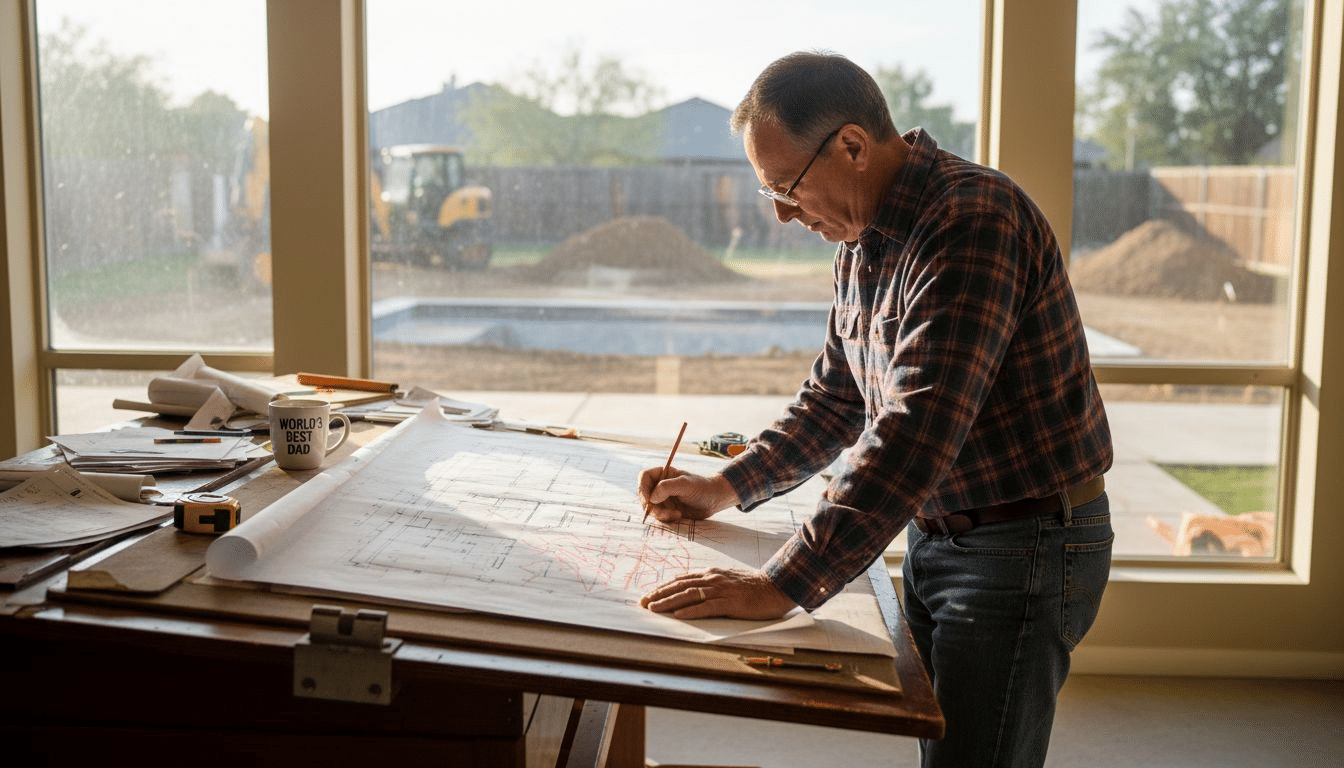
Transforming your Montgomery County backyard with a custom gunite pool starts long before excavation. Planning each step is crucial for homeowners who want an efficient and trouble-free build. Detailed construction documents, site assessments, and engineering calculations are more than paperwork—they form the foundation for a safe, high-quality pool and smooth project experience. By mastering project planning, you protect your investment, set clear expectations, and avoid costly delays or compliance problems.
Table of Contents
- Defining Project Planning for Pool Construction
- Essential Phases of Pool Construction Projects
- Texas Permitting, Design, and Safety Standards
- Managing Budget, Timeline, and Quality Risks
- Avoiding Delays and Common Pitfalls
Key Takeaways
| Point | Details |
|---|---|
| Effective Project Planning is Essential | A comprehensive plan outlines all facets of pool construction, minimizing risks and avoiding costly delays. |
| Permitting and Regulatory Compliance are Crucial | Ensure compliance with local codes and obtain necessary permits to avoid project delays. |
| Understanding Risks Can Prevent Issues | Identify potential risks early and develop strategies to mitigate them, ensuring smoother project execution. |
| Communication is Key | Maintain regular check-ins with contractors to address issues promptly and keep the project on track. |
Defining Project Planning for Pool Construction
Project planning for pool construction is the blueprint for turning your backyard dream into reality. It’s not just about deciding where the pool goes or what color to paint it—it’s the comprehensive process of preparing detailed plans, specifications, and timelines before a single shovel touches your Montgomery County soil.
At its core, project planning establishes the roadmap for your entire pool build. Think of it like creating a detailed map before a road trip: you identify your destination, plan your route, estimate fuel costs, and prepare for potential detours. Without it, you’re driving blind.
What Project Planning Actually Includes
Construction planning involves several critical components:
- Technical drawings and documents that specify exactly how your pool will be built
- Engineering calculations ensuring structural safety and proper functionality
- Site assessments mapping your property’s utilities, grades, and drainage
- Equipment layouts showing where pumps, filters, and other systems will be positioned
- Material lists and resource estimates so you know what you need and what it costs
- Timeline development breaking the build into realistic phases with deadlines
- Regulatory compliance planning ensuring your design meets Texas codes and local permits
These components work together. You can’t finalize your material list without knowing your pool’s exact dimensions. You can’t schedule equipment delivery without understanding installation timelines. Everything connects.
Why This Matters for Your Custom Gunite Pool
Custom gunite pools in the Montgomery County area require detailed planning because they’re site-specific. Your pool isn’t a prefab design dropped into your yard—it’s engineered for your terrain, soil conditions, drainage patterns, and utility locations.
Engineering calculations and site plans submitted during the permit process aren’t bureaucratic busy work. They prove your pool won’t flood your neighbor’s foundation or tap into underground electrical lines. They’re protection for you and your investment.
Effective planning also creates realistic budgets and schedules. Homeowners who skip this step often face surprise costs, construction delays, or design changes mid-build that inflate expenses by 20-40 percent.

Planning Prevents Problems
Proper project planning catches issues before they become expensive mistakes:
- Discovers utility conflicts before excavation begins
- Identifies drainage solutions that protect your home
- Prevents permit delays from incomplete documentation
- Allows accurate cost estimation with fewer surprises
- Coordinates timing for integrated features like outdoor kitchens or fire pits
Comprehensive planning before breaking ground saves time, money, and stress during construction.
The Montgomery County area presents specific planning challenges: high water tables in certain neighborhoods, clay soil conditions that affect pool foundation design, and local permitting requirements that demand precise documentation. Your planning process must account for these regional factors.
Pro tip: Start planning 8-12 weeks before your target construction start date—this gives you time for detailed site assessment, permit applications, and any design adjustments without rushing the process.
Essential Phases of Pool Construction Projects
Your pool construction doesn’t happen all at once. It flows through distinct phases, each with specific goals and deliverables. Understanding these phases helps you know what to expect, when to expect it, and why each step matters for your final backyard retreat.
Think of pool construction like building a house. You don’t frame walls before laying a foundation, and you don’t install fixtures before the walls are up. The same logic applies to pools—every phase builds on the previous one.
Phase 1: Planning and Site Assessment
This is where everything starts. Your project team evaluates your property’s soil composition, drainage patterns, utility locations, and grade slopes. In Montgomery County, this phase is critical because soil conditions vary dramatically between neighborhoods.
During this phase, regulatory requirements are identified. Your pool must comply with Texas codes, local setback regulations, and Montgomery County permitting rules. This groundwork prevents costly delays later.
Phase 2: Design and Engineering
Once your site is assessed, detailed design develops. Engineers create structural plans, equipment specifications, and utility integration details. For custom gunite pools, this means engineering calculations ensure water tightness and structural integrity.
Design also addresses integrated features. If you’re planning an outdoor kitchen or fire pit, these are coordinated now so electrical and gas lines are positioned correctly.
Phase 3: Permits and Pre-Construction
Your engineered plans are submitted for permits. This typically takes 4-8 weeks depending on completeness and local review processes. Pre-construction also includes material procurement and site preparation scheduling.
This phase often gets underestimated. Incomplete permit applications can delay construction start by weeks, pushing back your summer enjoyment.
Phase 4: Site Preparation and Excavation
Once permits are approved, the real work begins. Equipment arrives, property is marked, and excavation starts. Your contractor verifies utility locations before digging—this prevents expensive mistakes.
Proper site prep ensures:
- Accurate pool dimensions and depth
- Proper drainage away from your home
- Stable ground for pool foundation
- Clear access for equipment and materials
- Safety boundaries protecting your family
Phase 5: Pool Shell Construction
The gunite crew arrives to spray the pool shell. This creates the walls and floor. Pool shell construction prioritizes water tightness and structural durability—your pool must hold water without leaks.
This phase typically takes 2-4 weeks depending on pool size and complexity.
Phase 6: Systems Installation
Once the shell cures, mechanical systems get installed. Pumps, filters, heaters, and plumbing are positioned and connected. Electrical work happens simultaneously if you’re adding features like lighting or an outdoor kitchen.
Phase 7: Finishing and Commissioning
Tiling, decking, and final details complete the physical build. Water is added, systems are tested, and everything is balanced and ready. Commissioning ensures your pool operates safely and efficiently.
Here’s a quick summary of the main phases in custom pool construction and their primary purpose:
| Phase | Main Goal | Typical Duration | Key Outcome |
|---|---|---|---|
| Planning & Site Assessment | Evaluate property & identify regulations | 1-2 weeks | Clear feasibility plan |
| Design & Engineering | Develop structural and equipment specs | 2-3 weeks | Complete engineered drawings |
| Permits & Pre-Construction | Secure permits & prep site | 4-8 weeks | Approved permits & scheduled start |
| Site Prep & Excavation | Prepare land & excavate pool area | 1 week | Ready site for construction |
| Pool Shell Construction | Build gunite pool shell | 2-4 weeks | Solid, watertight structure |
| Systems Installation | Install pumps, filters, plumbing | 1 week | Functional pool systems |
| Finishing & Commissioning | Complete decking, tile, startup | 1 week | Ready-to-use pool |
Each phase builds on the previous one—rushing or skipping steps compromises quality and creates costly problems later.
Pro tip: Request a detailed timeline at the start showing all phases with realistic completion dates—this keeps everyone aligned and helps you plan when to schedule landscaping or other outdoor work.
Texas Permitting, Design, and Safety Standards
Building a pool in Texas isn’t just about digging a hole and filling it with water. State and local codes govern every aspect of your project, from design specifications to electrical safety. These standards exist to protect your family, your neighbors, and your investment.
Understanding Texas requirements upfront prevents expensive redesigns, permit rejections, and construction delays. It also ensures your pool is safe to use for years to come.
Permitting Requirements in Texas
Texas pools require formal permits before construction begins. The Houston Permitting Center and local Montgomery County authorities manage this process. You’ll submit electronic plan documents including site plans, engineering drawings, and equipment specifications.
The permit application requires:
- Site plans showing pool location and setbacks
- Structural engineering calculations
- Equipment layouts and specifications
- Electrical system designs
- Drainage and grading plans
- Proof of property ownership or authorization
Permit review typically takes 4-8 weeks. The review verifies your design meets all architectural, structural, mechanical, and fire safety standards before any work begins.
Design Standards for Custom Pools
Your pool design must comply with Texas codes addressing water depth, deck dimensions, and structural integrity. Custom gunite pools in Montgomery County must account for local soil conditions and drainage requirements.
Design standards specify:
- Minimum deck width and slip resistance
- Water depth requirements based on pool type
- Structural load calculations for your soil type
- Proper slope for drainage away from structures
- Distance requirements from property lines and utilities
Proper design prevents future problems like foundation settling, water leakage, or drainage onto neighboring properties.
Electrical Safety Compliance
This is where many homeowners encounter surprise requirements. Electrical codes address grounding and bonding to prevent electrical hazards around water.
Your pool must have:
- Ground fault circuit interrupter (GFCI) protection on all outlets
- Proper bonding of all metallic components
- Grounded equipment and lighting systems
- Safe electrical distances from water
- Adequate wire sizing and conduit protection
These requirements exist because water and electricity are a dangerous combination. Electrical inspections verify compliance before your pool is filled.
Inspections and Compliance Verification
Local authorities schedule inspections at critical phases: before excavation, after shell construction, after electrical work, and before final approval. Each inspection verifies your project meets code requirements.
Permits and inspections aren’t bureaucratic obstacles—they’re your safety guarantee and proof that your pool meets professional standards.
Failing an inspection can delay your project by weeks. Working with contractors who understand local codes reduces inspection failures and keeps your timeline on track.
Pro tip: Request your contractor’s documentation of past permit approvals and inspection records for Montgomery County projects—this shows their familiarity with local requirements and reduces the risk of costly permit delays.
Managing Budget, Timeline, and Quality Risks
Pool construction projects rarely go perfectly. Budgets creep up, timelines slip, and unexpected issues arise. The difference between successful projects and frustrated homeowners is how well these risks are managed from the start.
Risk management isn’t pessimism—it’s smart planning. By identifying potential problems early, you can prepare strategies to prevent or minimize them.
Understanding Common Pool Construction Risks
Custom gunite pools in Montgomery County face specific risks related to soil conditions, weather, and permitting. Understanding these risks helps you prepare.
Common risk categories include:
- Budget overruns from design changes or material price increases
- Timeline delays from permit reviews or weather
- Quality issues from improper installation or material defects
- Utility conflicts discovered during excavation
- Drainage problems in clay-heavy soils
- Inspection failures requiring rework
Each risk has different impacts and different solutions. A permit delay doesn’t require the same response as a material shortage.
For homeowners, here’s how smart project planning can reduce common risks in Montgomery County pool construction:
| Risk Type | Impact | Prevention Strategy |
|---|---|---|
| Budget overruns | Higher final cost | Detailed estimates, contingency reserves |
| Timeline delays | Missed deadlines | Precise scheduling, permit prep |
| Quality issues | Costly rework | Clear specs, phased inspections |
| Utility conflicts | Excavation mistakes | Thorough site surveys & mapping |
| Drainage problems | Foundation damage | Engineering for soil & water table |
Budget Risk Management
Pool budgets typically include a 10-15% contingency reserve. This isn’t pessimism—it’s realistic planning. Materials increase in price, unexpected soil conditions require additional work, and design refinements emerge during construction.
Establish your budget early with detailed cost breakdowns. Know what you’re paying for: excavation, gunite, equipment, finishing, permits, and labor. Hidden costs disappear when everything is itemized upfront.
Get multiple estimates. Compare not just price but scope—what’s included? Outdoor kitchen costs? Fire pit construction? Decking? Clear agreements prevent budget surprises.
Timeline Risk Management
Permit approval typically takes 4-8 weeks. Weather can delay excavation or gunite work. Material deliveries can shift. Quality control decisions impact schedules because proper installation takes time—rushing creates defects.
Realistic timelines account for these factors. A 12-16 week project timeline (including permits) is typical for custom gunite pools. If someone promises 6 weeks, they’re either cutting corners or will miss deadlines.
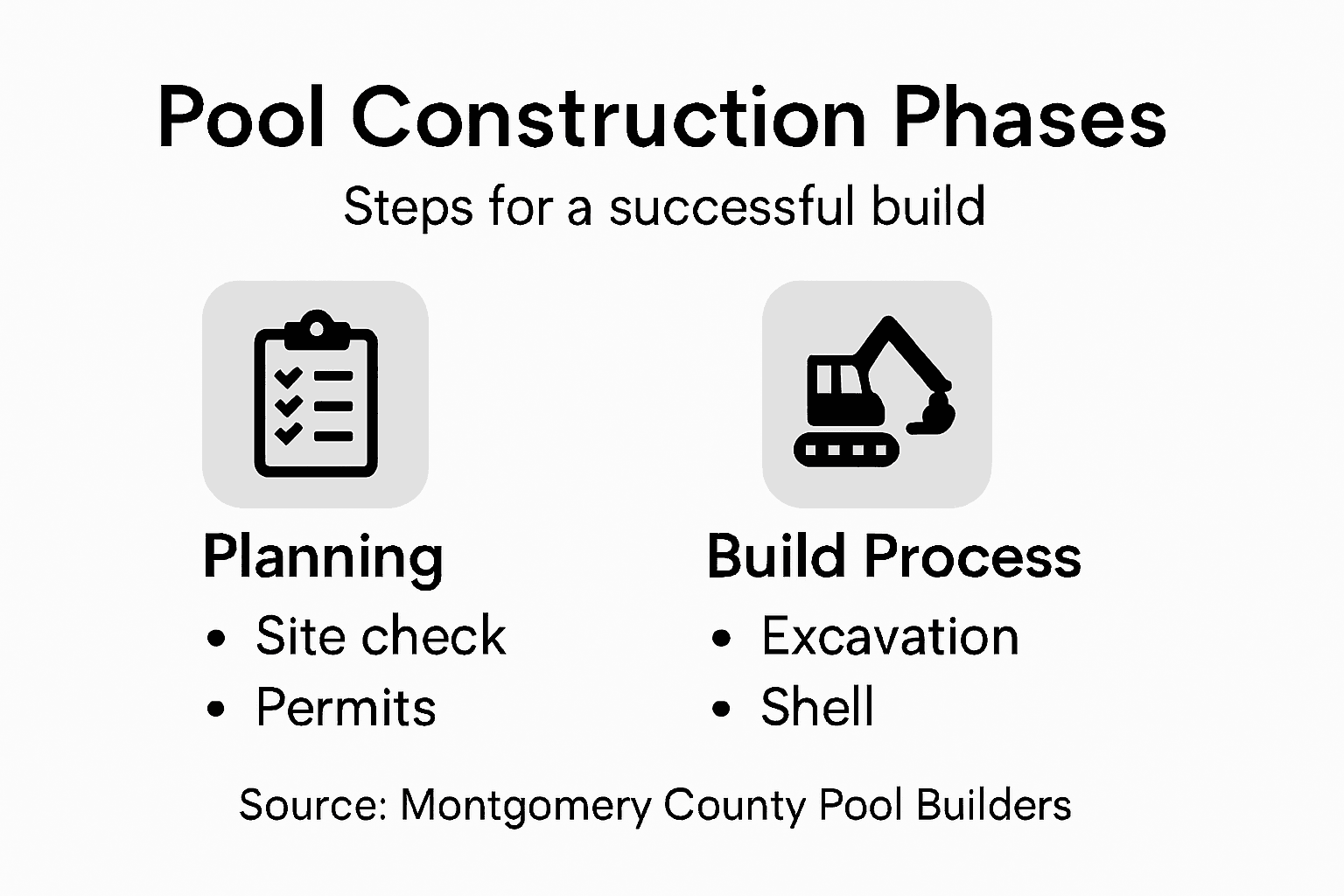
Buffer time matters. Build in 2-4 weeks of schedule flexibility. Summer weather windows are tight—delaying start dates can push completion into fall.
Quality Risk Management
Quality problems emerge when proper specifications aren’t followed. Your pool design documents must be detailed and clear. Contractors must understand exact requirements for shell thickness, slope accuracy, equipment specifications, and electrical work.
Systematic risk evaluation enables proactive mitigation strategies that keep quality high. Regular inspections during construction catch problems early before they become expensive fixes.
Specify how quality issues will be resolved. What happens if the shell develops cracks? What’s the contractor’s warranty? Clear agreements prevent disputes later.
Communication and Documentation
Most project problems stem from miscommunication. Weekly check-ins between homeowners and contractors prevent small misunderstandings from becoming big problems.
Document everything: approved designs, change orders, inspection reports, material deliveries, and completion dates. Written records protect both parties and clarify expectations.
Identifying risks early and planning responses prevents problems from derailing your project and exceeding your budget.
Pro tip: Require your contractor to provide a detailed risk management plan addressing permits, weather, material delivery, and quality checkpoints—this shows they think strategically about your project.
Avoiding Delays and Common Pitfalls
Pool construction delays are frustrating and expensive. A two-month delay can mean missing summer season, paying premium material prices, and dealing with stressed contractors juggling multiple projects. The good news? Most delays are preventable with smart planning.
Understanding what causes delays helps you avoid them. Knowledge is your best defense against setbacks.
Weather and Seasonal Challenges
Texas weather is unpredictable. Heavy rain can flood excavation sites. Clay soils in Montgomery County become difficult to work in when wet. Extreme heat affects gunite curing and material delivery schedules.
Start your project in early spring or fall when weather is most stable. Avoid June through August for excavation and initial construction—summer heat and afternoon storms create delays. Plan your timeline with seasonal factors built in, not as afterthoughts.
Gunite crews need dry conditions. Forecasted rain can shut down work for days. This isn’t laziness—wet conditions compromise shell quality and safety.
Permitting and Regulatory Delays
Incomplete permit applications are the number one cause of project delays. Missing engineering calculations, unclear site plans, or incomplete electrical designs force resubmissions and add 2-4 weeks to your timeline.
Prevent permitting delays by:
- Submitting complete, detailed plans on the first attempt
- Working with contractors experienced in local Montgomery County requirements
- Submitting permits early—don’t wait until you’re ready to dig
- Responding immediately to inspector requests for clarification
- Scheduling inspections proactively, not reactively
One local contractor shared that incomplete permits delayed three projects an average of 31 days each. That’s nearly two months of added timeline risk.
Supply Chain and Material Issues
Diversifying supply chains and maintaining flexible material strategies reduce disruptions. If your contractor relies on a single equipment supplier and that supplier has a delay, your project stalls.
Ask contractors about material sourcing. Where do they get pumps, filters, and plumbing fixtures? Do they have backup suppliers? Long lead-time items like specialty equipment should be ordered months in advance.
Price fluctuations are common. Establish material costs in writing before construction starts. Undefined cost increases create budget disputes and timeline friction.
Design Changes and Scope Creep
Design changes mid-construction are expensive and slow. Adding a water feature, expanding the pool size, or relocating equipment requires new engineering, new permits, and new inspections. What seemed like a small change can delay completion by weeks.
Finalize your design before breaking ground. Get detailed written approval of every feature, dimension, and specification. Changes after construction starts should be truly rare, not routine.
Communication and Progress Monitoring
Regular progress monitoring and open communication channels keep projects on track. Weekly check-ins between homeowners and contractors identify problems early before they cascade into bigger delays.
Establish how you’ll communicate: weekly emails, job site meetings, or phone calls. Know who to contact for decisions. Delays often occur because no one has decision-making authority.
Preventing delays requires detailed planning, experienced contractors, and open communication from project start to completion.
Document progress. Photos weekly show work completion. Written records of inspections and approvals prove milestones are met on schedule.
Pro tip: Include a detailed project schedule with specific milestones in your contract—permit approval dates, excavation start, shell completion, equipment installation, and final inspection—so everyone knows expectations and can spot delays immediately.
Plan Your Dream Pool with Confidence and Expert Support
Effective project planning is the foundation for a successful pool construction that meets your budget, timeline, and quality expectations. If you want to avoid costly delays, design changes, and permit frustrations discussed in this article, partnering with experienced professionals is essential. At Bliss Pools, we specialize in Custom Pool Building tailored to the unique soil and regulatory conditions of Montgomery County and surrounding areas.
Take the guesswork out of project planning and benefit from our 15+ years of expertise in engineering, permitting, and high-quality construction. Visit Bliss Pools today to explore how we can guide your pool build from start to finish. Request a free estimate now and secure a reliable timeline that keeps your backyard dreams on track.
Frequently Asked Questions
What are the main components of project planning for pool construction?
Project planning for pool construction includes technical drawings, engineering calculations, site assessments, equipment layouts, material lists, timeline development, and regulatory compliance planning.
How does proper project planning prevent issues during pool construction?
Effective planning identifies utility conflicts, drainage solutions, and ensures accurate cost estimation, helping to avoid expensive mistakes and delays during construction.
Why is it important to account for local soil conditions in pool planning?
Local soil conditions can affect the structural integrity and drainage of the pool. Proper planning ensures that the pool design accommodates soils like clay and manages high water tables effectively.
What should I include in my budget for a pool construction project?
Your budget should include detailed estimates for excavation, gunite, equipment, finishing, permits, labor, and a contingency reserve of 10-15% to cover unexpected costs.