

Over ninety thousand American households added new pools last year, highlighting a growing desire for custom outdoor retreats. For many families, planning a backyard pool is about more than swimming. It reflects personal style, supports daily routines, and shapes memorable gatherings. This guide breaks down each step, from assessing your space to finalizing the perfect design, so you can confidently transform your American backyard into a pool oasis tailored to your needs.
Table of Contents
- Step 1: Assess Your Backyard Space and Needs
- Step 2: Select the Ideal Pool Style and Features
- Step 3: Plan Pool Layout and Surrounding Amenities
- Step 4: Choose Materials and Safety Enhancements
- Step 5: Review and Finalize Your Pool Design
Quick Summary
| Main Insight | Clarification |
|---|---|
| 1. Assess Your Backyard Thoroughly | Measure your yard carefully, including features and obstacles, to create a well-fitting pool design. |
| 2. Choose the Right Pool Style | Select a pool shape that suits your lifestyle and complements your home’s architecture for optimal use. |
| 3. Plan Surrounding Amenities | Designate zones for lounging and dining to enhance your outdoor living experience adjacent to the pool. |
| 4. Prioritize Safety Features | Install proper fencing and safety systems to protect children and guests in your backyard pool area. |
| 5. Review Design with Professionals | Involve pool designers early for feedback and to ensure your plans meet local building standards before construction. |
Step 1: Assess Your Backyard Space and Needs
Designing a custom backyard pool starts with a comprehensive assessment of your available outdoor space and specific requirements. Your goal is to create a pool that not only fits perfectly within your yard’s dimensions but also enhances your overall outdoor living experience. Careful planning during this initial stage will help you avoid costly mistakes and ensure your pool complements your property’s unique characteristics.
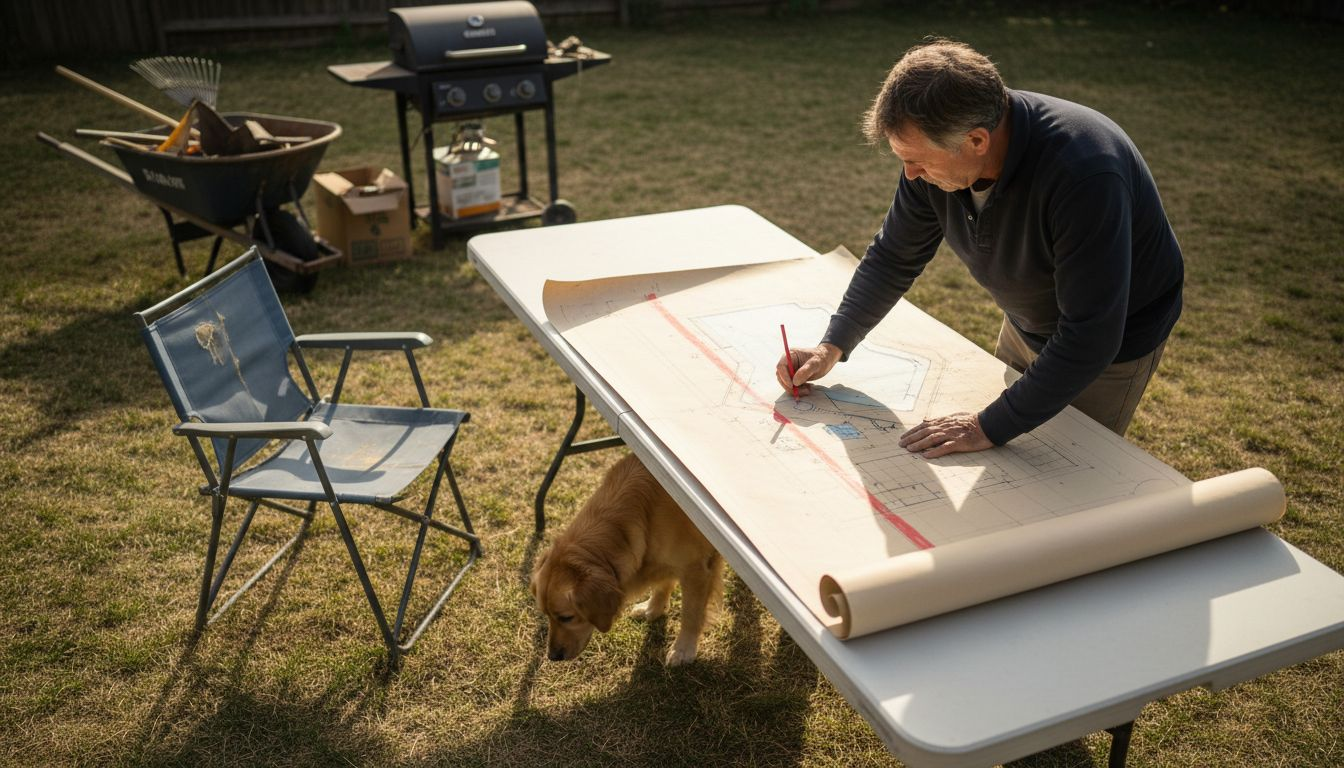
Begin by measuring your backyard precisely, taking into account existing landscaping, structures, and potential obstacles. You will want to create a scaled drawing or diagram that includes property lines, current features like trees or garden areas, and potential pool locations. Consider sunlight exposure, wind patterns, and privacy when determining the optimal pool placement. Backyard pool planning requires strategic thinking about how the space will function for your family’s lifestyle and entertainment needs.
Factor in additional elements beyond just swimming area. Think about surrounding deck space, potential outdoor kitchen or seating zones, and how the pool will integrate with existing architectural features. Consider your family’s specific requirements: Do you want a lap pool for exercise? A play area for children? A relaxation space for adults? Understanding these needs will guide your design decisions and help create a truly customized outdoor environment.
Pro tip: Take photos of your backyard from multiple angles and create a rough sketch before meeting with pool designers. This preparation will help professionals understand your space more accurately and provide more tailored recommendations.
Step 2: Select the Ideal Pool Style and Features
Selecting the perfect pool style is a critical step in transforming your backyard into a personalized outdoor living space. Your pool design should reflect your lifestyle, complement your home’s architecture, and maximize the functionality of your available outdoor area. Understanding pool design options in Texas can help you make an informed decision that balances aesthetics with practical requirements.
Pool styles range from classic rectangular shapes to more organic freeform designs, each offering unique advantages. Rectangular pools work perfectly for lap swimming and structured landscapes, while freeform pools with curved edges can create a more natural, resort-like atmosphere. Consider your primary pool usage: Do you want a space for exercise, family recreation, or elegant entertainment? Factors like yard size, budget, and existing landscaping will significantly influence your design choices. Some homeowners prefer compact plunge pools for smaller spaces, while others opt for expansive designs that include multiple zones for swimming, relaxation, and social gatherings.
Beyond shape, consider additional features that will enhance your pool’s functionality and appeal. Think about built-in seating, sun shelves, underwater benches, lighting options, water features like cascading waterfalls, and integrated spa areas. Each element can transform a standard pool into a personalized backyard retreat that reflects your unique style and meets your family’s specific needs.
Pro tip: Create a mood board with pool design images and feature ideas before consulting with a professional. This visual reference will help pool designers understand your vision and provide more tailored recommendations.
Step 3: Plan Pool Layout and Surrounding Amenities
Designing a comprehensive pool layout requires thoughtful consideration of how your entire outdoor space will function as a cohesive living area. Pool construction in Montgomery creates unique opportunities for integrating your swimming pool with surrounding landscape and entertainment zones. The goal is to create a seamless outdoor environment that extends your living space and maximizes both aesthetic appeal and practical usability.
Start by establishing clear zones within your backyard. Designate specific areas for swimming, lounging, dining, and potential additional features like an outdoor kitchen or fire pit. Consider traffic flow and how people will move between these spaces. Strategically placed seating walls, landscaping elements, and patio areas can help define these zones while creating a natural, inviting atmosphere. Think about sun exposure, privacy, and how different areas will interact with each other throughout the day.
Carefully plan your pool surroundings to enhance functionality and visual appeal. Incorporate materials that complement your home’s exterior and create a unified design aesthetic. Consider practical elements like shade structures, convenient storage for pool accessories, and smooth transitions between different outdoor living areas. Elements such as pergolas, outdoor lighting, and carefully selected landscaping can transform your pool area from a simple swimming space into a luxurious outdoor retreat that serves multiple purposes for relaxation and entertainment.
Pro tip: Create a detailed scaled drawing of your proposed layout before beginning construction. This will help you visualize the final design and identify potential challenges or opportunities for improvement.
Step 4: Choose Materials and Safety Enhancements
Selecting the right materials and safety features is crucial for creating a durable, attractive, and secure pool environment. Backyard pool design requires careful consideration of material choices that balance aesthetic appeal with long term performance and safety requirements. Your material selections will impact not just the visual quality of your pool but also its maintenance needs, durability, and overall user experience.
Consider pool interior materials carefully. Options like plaster, fiberglass, and ceramic tiles each offer unique benefits. Plaster provides a classic look and affordable pricing, fiberglass offers smooth surfaces and quick installation, while ceramic tiles deliver exceptional durability and design flexibility. Beyond the pool interior, focus on surrounding materials such as concrete, natural stone, or composite decking that can withstand moisture, provide slip resistance, and complement your home’s architectural style. Pay special attention to transitions between pool and surrounding areas, ensuring smooth, safe pathways that minimize tripping hazards.
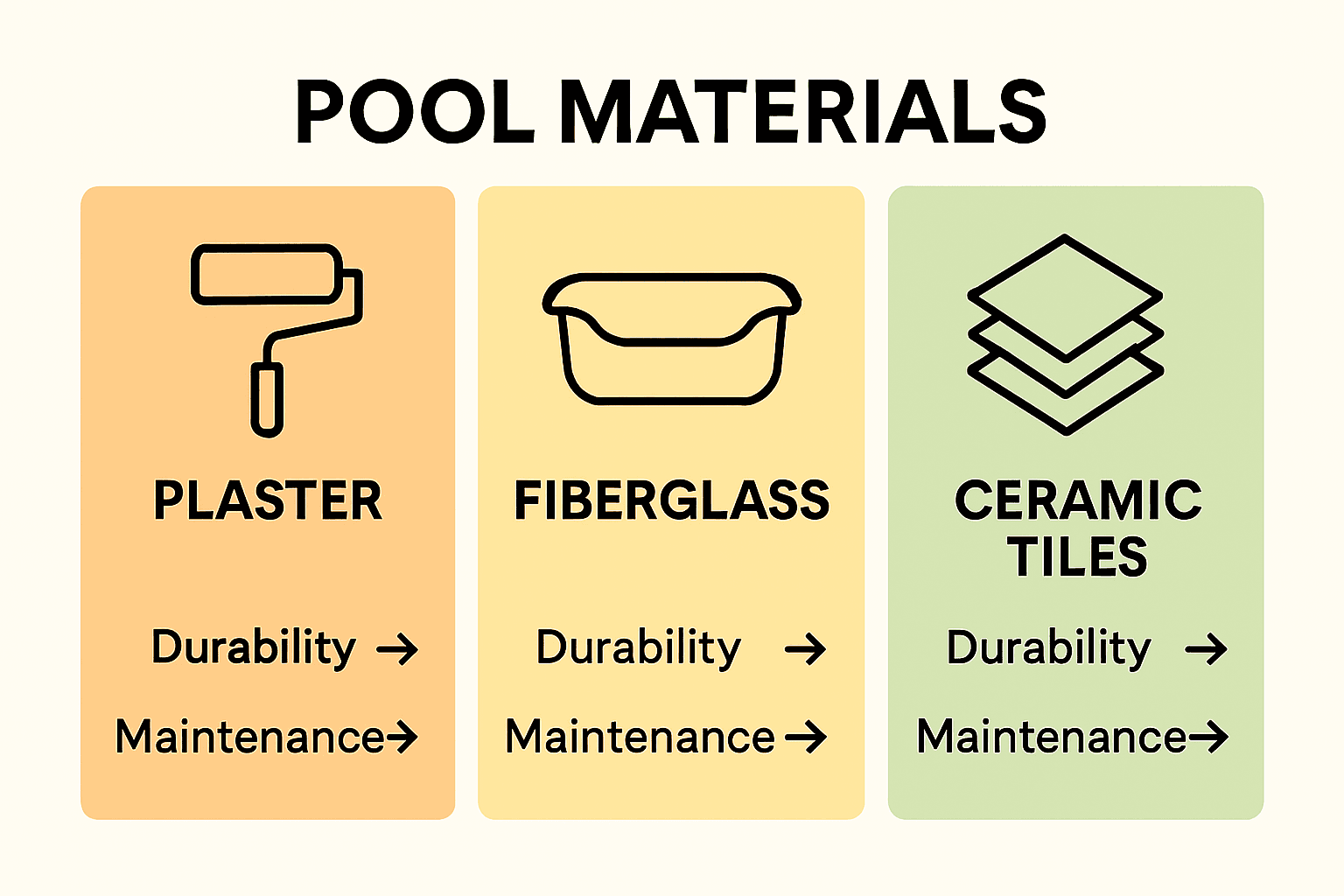
Here’s a comparison of popular pool interior materials and their characteristics:
| Material | Durability | Maintenance Needs | Visual Appeal |
|---|---|---|---|
| Plaster | Moderate lifespan | Requires refinishing | Classic, smooth finish |
| Fiberglass | High durability | Minimal maintenance | Uniform, sleek surface |
| Ceramic Tile | Exceptional longevity | Low maintenance | Custom patterns, vibrant colors |
Safety enhancements are non negotiable when designing your pool area. Install high quality fencing with self closing gates to prevent unauthorized access, especially important for families with children. Consider additional safety features like pool alarms, motion sensors, and secure pool covers. Incorporate non slip surfaces around pool edges, use proper lighting for nighttime visibility, and create clear sightlines that allow for easy supervision. Thoughtful safety design protects your loved ones while allowing you to fully enjoy your backyard retreat.
Consider these key pool safety enhancements and their benefits:
| Safety Feature | Primary Benefit | Typical Application |
|---|---|---|
| Fencing w/ Gate | Prevents unsupervised access | Perimeter around pool area |
| Pool Alarm | Alerts to water disturbances | Surface or sub-surface mount |
| Non-slip Surfaces | Reduces slipping risks | Decking, pool edge |
| Lighting | Improves night visibility | Pathways, steps, pool interior |
Pro tip: Always get professional recommendations for material selections and safety installations. Local building codes and manufacturer specifications can provide critical guidance for creating a safe and compliant pool environment.
Step 5: Review and Finalize Your Pool Design
Reviewing and finalizing your pool design represents the critical culmination of your planning process where imagination transforms into a concrete blueprint. Pool installation in Montgomery requires meticulous attention to detail to ensure your vision perfectly matches practical implementation and local construction standards.
Conduct a comprehensive review of your design by creating multiple visual representations. Generate detailed scale drawings, 3D renderings, and digital mockups that allow you to examine your pool from every perspective. Evaluate each element critically: pool shape, material selections, surrounding landscape integration, safety features, and potential future modifications. Involve family members or trusted friends to provide objective feedback and identify potential blind spots in your design. Consider how the pool will function during different times of day, seasons, and for various activities ranging from relaxation to entertainment.
Schedule consultations with professional pool designers who can offer expert insights and technical validation of your plans. These professionals can help refine your design, identify potential structural challenges, and recommend optimizations that might not be immediately apparent. They will assess factors like soil conditions, drainage requirements, local building codes, and potential utility line interactions that could impact your pool construction. During these consultations, remain open to professional recommendations while also advocating for your original design vision.
Pro tip: Create a detailed project timeline and budget spreadsheet that includes contingency funds for unexpected expenses. This approach helps manage financial expectations and prevents potential surprises during the construction process.
Transform Your Backyard Vision Into a Stunning Reality
Designing a custom backyard pool involves careful planning of space, pool style, amenities, materials, and safety features to create a personalized outdoor living retreat. If you find yourself overwhelmed by choices like selecting the perfect pool style or ensuring safety enhancements while matching your home’s architecture and your family’s lifestyle, you are not alone. Many homeowners struggle with turning their ideas into a cohesive design that balances beauty, functionality, and security.
At Bliss Pools, we specialize in expertly guiding Montgomery County and nearby Texas residents through every step of custom pool design and construction. With over 15 years of experience, we focus on your unique goals—from ideal pool placement and material choices to integrating luxury add-ons like outdoor kitchens and fire pits. Let us help you create a resort-style backyard that is safe, stunning, and built to last.
Discover how easy it is to bring your dream pool to life by visiting Bliss Pools today.
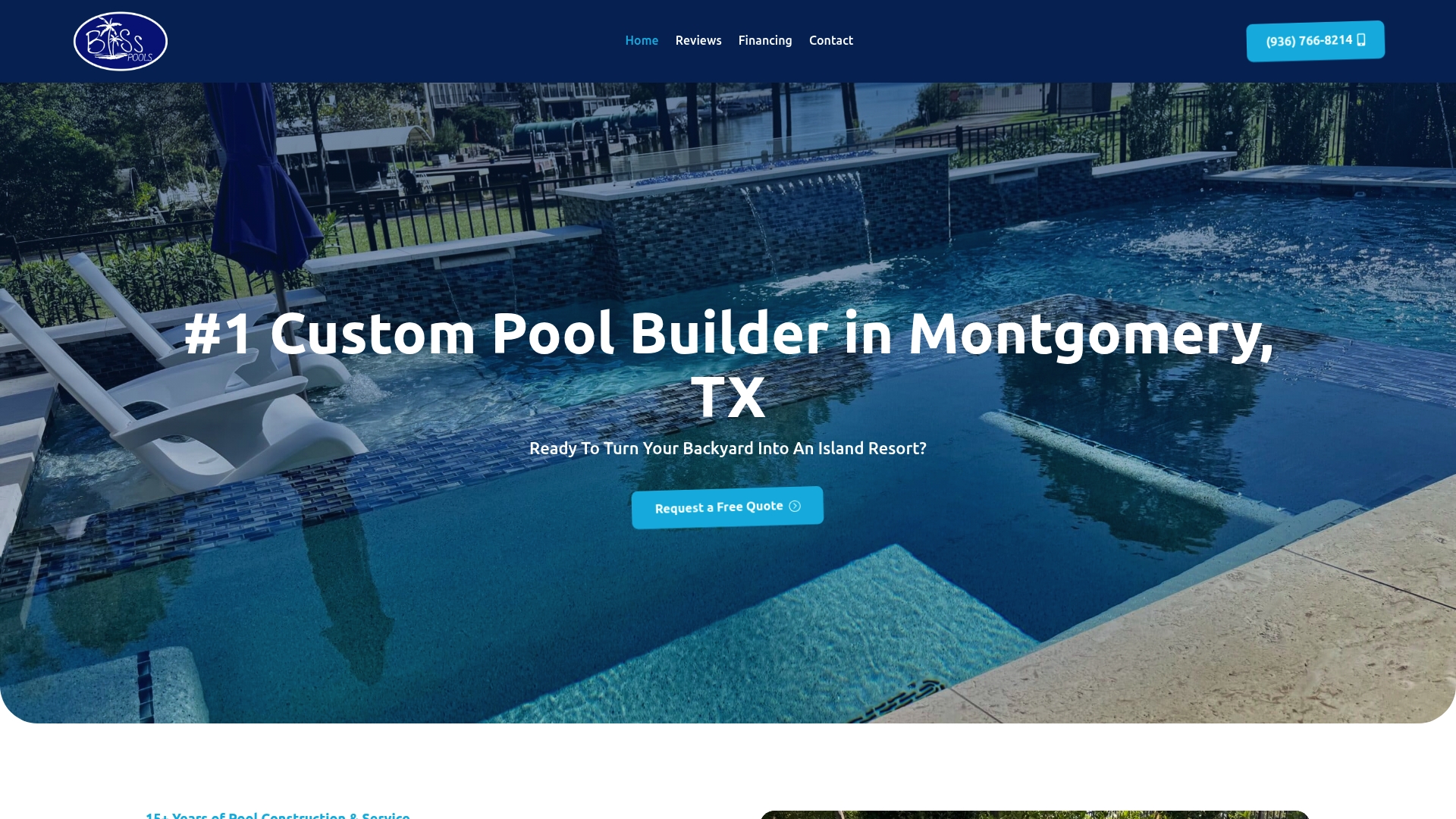
Ready to start designing your perfect backyard oasis? Contact us now for a free estimate and professional consultation. Explore our expert pool building and custom outdoor amenity solutions at Bliss Pools and see why homeowners across Montgomery County trust us to deliver exceptional quality and unmatched customer care.
Frequently Asked Questions
How do I assess my backyard space for a pool design?
Begin by measuring your backyard accurately, noting existing landscaping and structures. Create a scaled drawing that includes property lines and potential pool locations to visualize the space effectively.
What pool styles should I consider for my backyard?
Consider styles such as rectangular pools for lap swimming or freeform designs for a natural look. Identify your pool’s primary usage to help determine the best shape that fits your lifestyle.
How do I plan the layout and amenities around my pool?
Establish clear zones for swimming, lounging, and dining to create a cohesive outdoor living area. Use a scaled drawing to define traffic flow and ensure each area integrates well with the others.
What materials are best for building my pool and ensuring safety?
Select materials like plaster, fiberglass, or ceramic tiles for the pool, focusing on durability and maintenance needs. Incorporate high-quality fencing, non-slip surfaces, and pool alarms as essential safety enhancements.
What steps should I take to finalize my pool design?
Review your design by creating detailed drawings and 3D renderings for a comprehensive evaluation. Consult with professionals to refine your plans and ensure they meet local standards and safety codes.